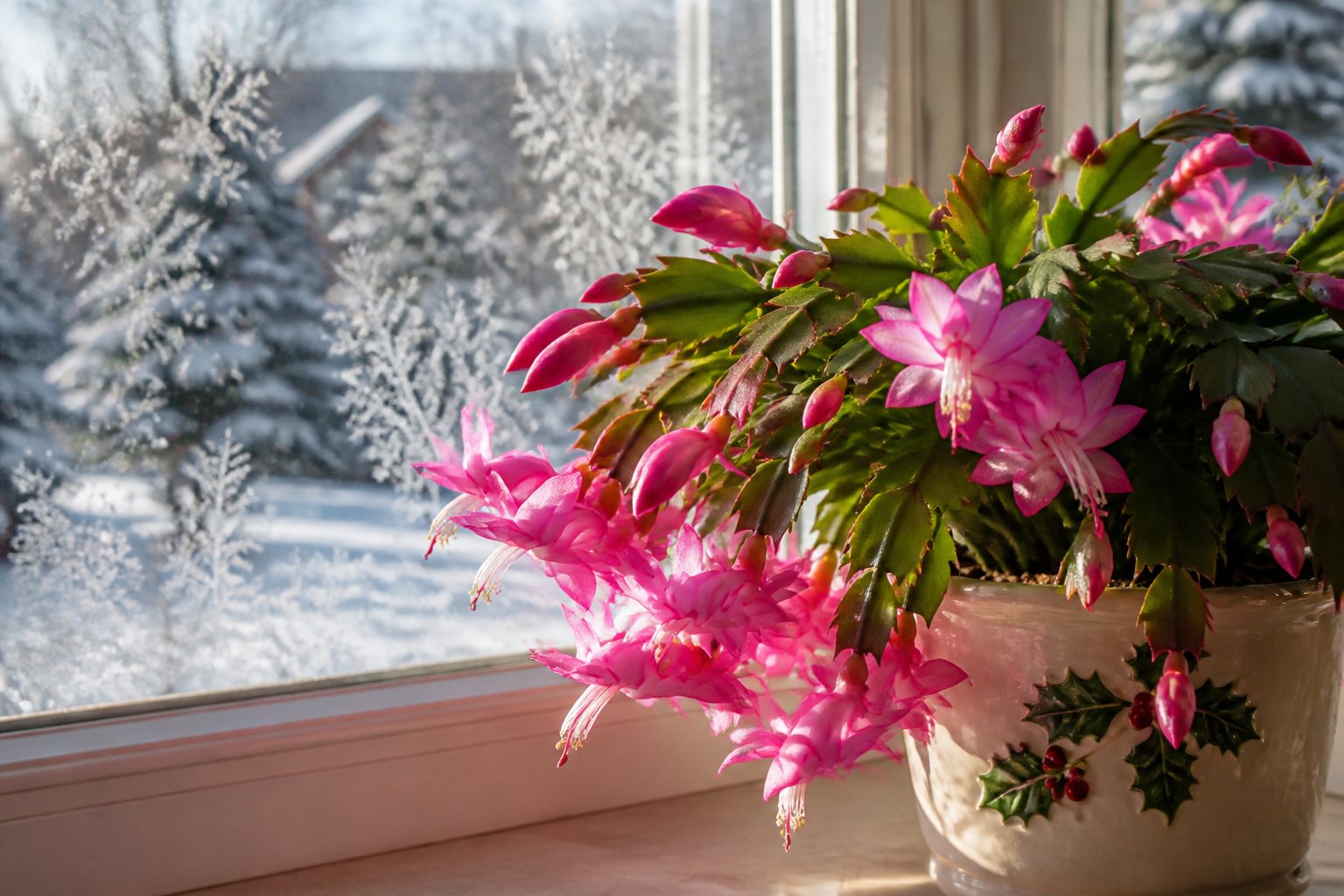

The Christmas cactus is one of the few houseplants that flowers in the darkest weeks of the year, and it can live for decades. Most people lose the flowers, not the plant, because they treat it like a desert cactus. Here is what it needs, month by month, to bloom again next winter.
Schlumbergera is cheap in November, sold in garden centres and supermarkets for a few pounds, and often comes home already covered in buds. Half of those buds then fall off within a fortnight. That is usually a reaction to a move, a draught or a radiator, not disease.
The good news is that the plant asks for very little. What matters is timing: a cool, dark autumn to set buds, steady conditions while it flowers and a short rest afterwards.
Christmas cactus care is simple: bright light without hot midday sun, water when the top 2 to 3 cm of compost is dry and never leave it standing in water. To make it bloom, give it about six weeks of cool nights around 10 to 15 °C or long, dark nights from late September, with less water. Once buds form, do not move it.
Is a Christmas cactus a real cactus?
Botanically yes, but it does not behave like one. Schlumbergera comes from the humid coastal mountain forests of south-eastern Brazil, where it grows on tree branches and mossy rocks, in dappled shade and frequent rain. It has no spines and no taste for drought.
That origin explains almost every rule below. It wants more water than a desert cactus, less sun, an airy compost that drains quickly and a cool spell in autumn.
Where should a Christmas cactus stand?
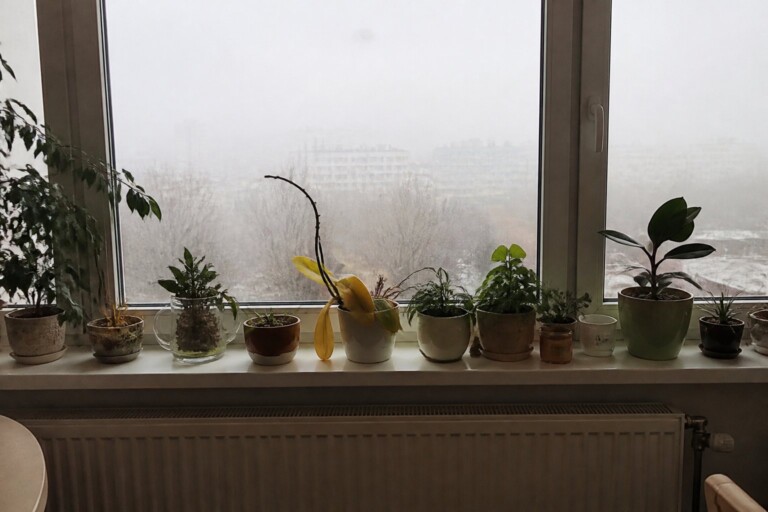
An east or west-facing window is ideal, or a few steps back from a south-facing one. From November to February, when British light is weak, it can sit right on the sill. In summer, strong midday sun turns the segments reddish or purple, which is a sign of stress rather than a new colour.
Comfortable temperatures are 15 to 21 °C while it flowers. Keep it away from radiators and from the cold draught of a door that opens onto the garden. From late May the plant can spend the summer outside in light shade, on a balcony or under a tree. Bring it back in before nights fall towards 5 °C, as it does not survive frost.
How often should you water a Christmas cactus?
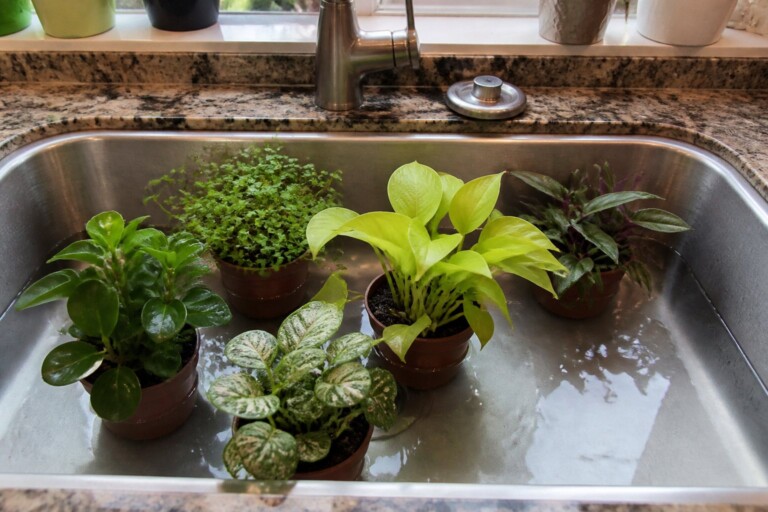
Water when the top 2 to 3 cm of compost feels dry, then water thoroughly and empty the saucer after 15 minutes. In a warm flat in summer that may mean once a week, in a cool room in winter every 10 to 14 days. Soggy roots rot quickly. Our guide on how to water houseplants covers the finger test and the most common mistakes.
- Water: room temperature. In hard-water areas, rainwater or water left to stand overnight is kinder to the roots.
- Compost: a free-draining mix, for example two parts houseplant compost to one part orchid bark or perlite. A pot with a drainage hole is essential.
- Feeding: from April to August, a balanced liquid houseplant feed at half strength every two to three weeks. Stop at the end of August.
How do you make a Christmas cactus bloom?
Flower buds form in response to short days, cool nights or both. Between roughly 10 and 15 °C the plant sets buds even with ordinary day length. In a living room at 20 °C or more it needs long nights instead: at least 12 to 14 hours of uninterrupted darkness, which means no lamp or television light in the evening.
- From late September or early October, move the plant to a cool, bright room, such as a spare bedroom, an unheated porch that stays frost-free or a cool landing.
- Keep it there for about six weeks at 10 to 15 °C, with natural daylight only.
- Water less: just enough that the compost does not dry out completely. Do not feed.
- When buds about 5 mm long appear at the segment tips, bring it to the place where it will flower and leave it there.
- Resume normal watering as the buds swell. Flowers usually open four to eight weeks after the buds first show.
Why does a Christmas cactus drop its buds?
Bud drop is the most common complaint, and it nearly always has a simple cause.
- Moving or turning the pot: buds orient towards the light. Rotating the plant or carrying it from a cool room to a warm one can make it shed them.
- Draughts and temperature swings: a window opened for airing above the plant, or a radiator just below it.
- Dry compost or dry air: a root ball that dries out completely while buds swell is a classic trigger.
- Too much water: waterlogged roots also cause buds to drop, usually together with limp segments.
What does a Christmas cactus need through the year?
| Months | Phase | Light | Watering | Temperature | Feeding |
|---|---|---|---|---|---|
| Nov to Jan | Flowering | Bright, no hot sun | Evenly moist, never wet | 15–21 °C, no draughts | None |
| Feb to Mar | Rest | Bright | Sparingly, when the top 3 cm is dry | About 12–16 °C | None |
| Apr to Aug | Growth | Bright indirect, light shade outdoors from late May | When the top 2–3 cm is dry | Room temperature or outdoors | Half strength every 2–3 weeks |
| Late Sep to early Nov | Bud setting | Natural daylight only, dark evenings | Reduced | 10–15 °C for about 6 weeks | None |
What should you do after it has flowered?
Once the last flowers have dropped, give the plant six to eight weeks of rest in a cooler, bright spot with less water.
Repot only every two to three years, in spring after the rest, and only one pot size larger. A Christmas cactus flowers well when its roots are slightly snug. The same principle, a quiet spell after the festive season, applies to poinsettia care, though the poinsettia is far less patient with mistakes.
How do you propagate a Christmas cactus from cuttings?
Few plants are easier to multiply. The best time is late spring or early summer, when the plant is growing.
- Twist off a piece of two or three segments at a joint.
- Leave the cuttings on a plate for a day or two so the base can dry and seal.
- Insert each one upright, about a third of the lowest segment deep, into a barely moist, free-draining mix. Three to five cuttings fit into an 8 to 10 cm pot.
- Keep the pot bright but out of direct sun at around 20 °C and water sparingly.
- Roots form in three to four weeks. A new small segment at the top is the sign that the cutting has taken.
Christmas cactus or Thanksgiving cactus: how to tell them apart?
Many plants sold as Christmas cacti in British shops are in fact Thanksgiving cacti, Schlumbergera truncata and its hybrids. Their segments have two to four pointed, claw-like teeth along the edges, and they tend to flower from November, which is why they are in bloom on the shelves before Advent.
The true Christmas cactus, Schlumbergera × buckleyi, has rounded, scalloped segment edges, more drooping flowers and usually blooms from December into January. Care for both is identical; only the timing differs by a few weeks.
Is a Christmas cactus safe for cats and dogs?
Schlumbergera is listed as non-toxic to cats and dogs by the ASPCA, which makes it one of the safer flowering plants for a home with pets. The fibrous segments can still cause mild vomiting or diarrhoea if a pet eats a lot of them. If symptoms persist, ring your vet.
Short of windowsill space in winter?
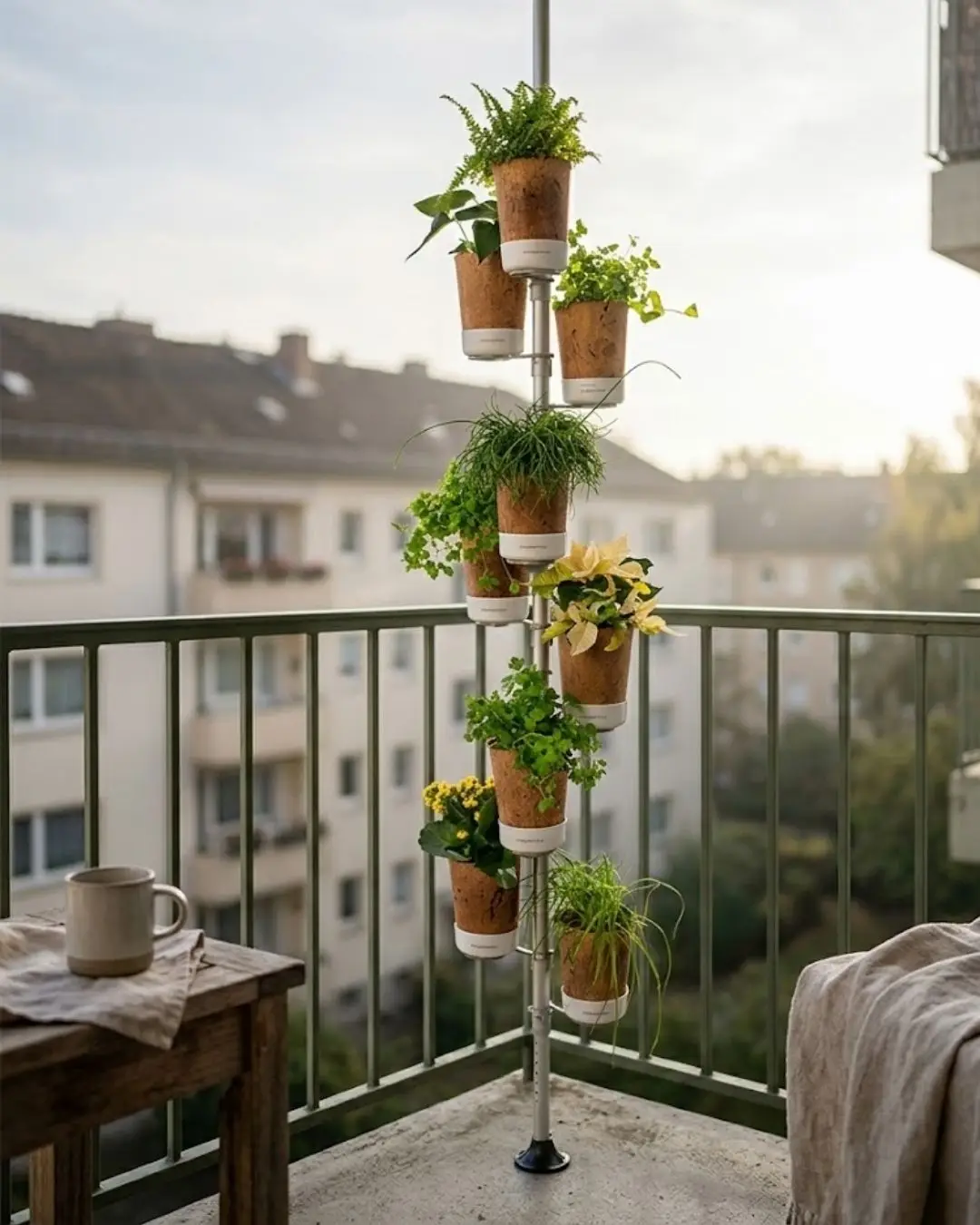
A Christmas cactus in flower deserves its own place in the window, and in December that space is often taken by herbs and other houseplants. A vertical garden without drilling stands floor to ceiling next to the window and holds nine plants on less than 1 m², which frees the sill. The Urban Planty vertical garden costs €149 with free shipping.
Frequently asked questions
How often should I water a Christmas cactus?
Water a Christmas cactus when the top 2 to 3 cm of compost is dry, usually every 7 to 14 days depending on the room temperature. Water thoroughly, then empty the saucer so the roots never stand in water.
Why is my Christmas cactus not flowering?
A Christmas cactus usually fails to flower because it stayed too warm and too brightly lit in the evenings during autumn. Give it about six weeks of cool nights at 10 to 15 °C, or 12 to 14 hours of darkness each night, from late September.
Why are the buds falling off my Christmas cactus?
Christmas cactus buds drop after sudden changes: moving or turning the pot, draughts, a nearby radiator, or compost that dries out or stays waterlogged. Keep the plant in one spot with steady moisture once buds appear.
Can a Christmas cactus go outside in summer?
Yes, a Christmas cactus can spend the summer outdoors in light shade from late May. Keep it out of hot midday sun and bring it inside before night temperatures drop towards 5 °C.
Is a Christmas cactus poisonous to cats?
The Christmas cactus is listed as non-toxic to cats and dogs by the ASPCA. Eating a large amount of the fibrous segments can cause mild stomach upset, so contact a vet if symptoms continue.