EN
 Italiano
 Slovenščina
 Čeština
 Deutsch
 Magyar
 polski
 Slovenčina

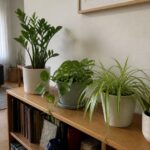

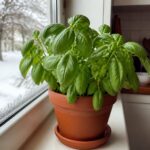

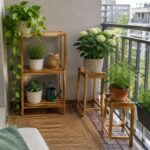

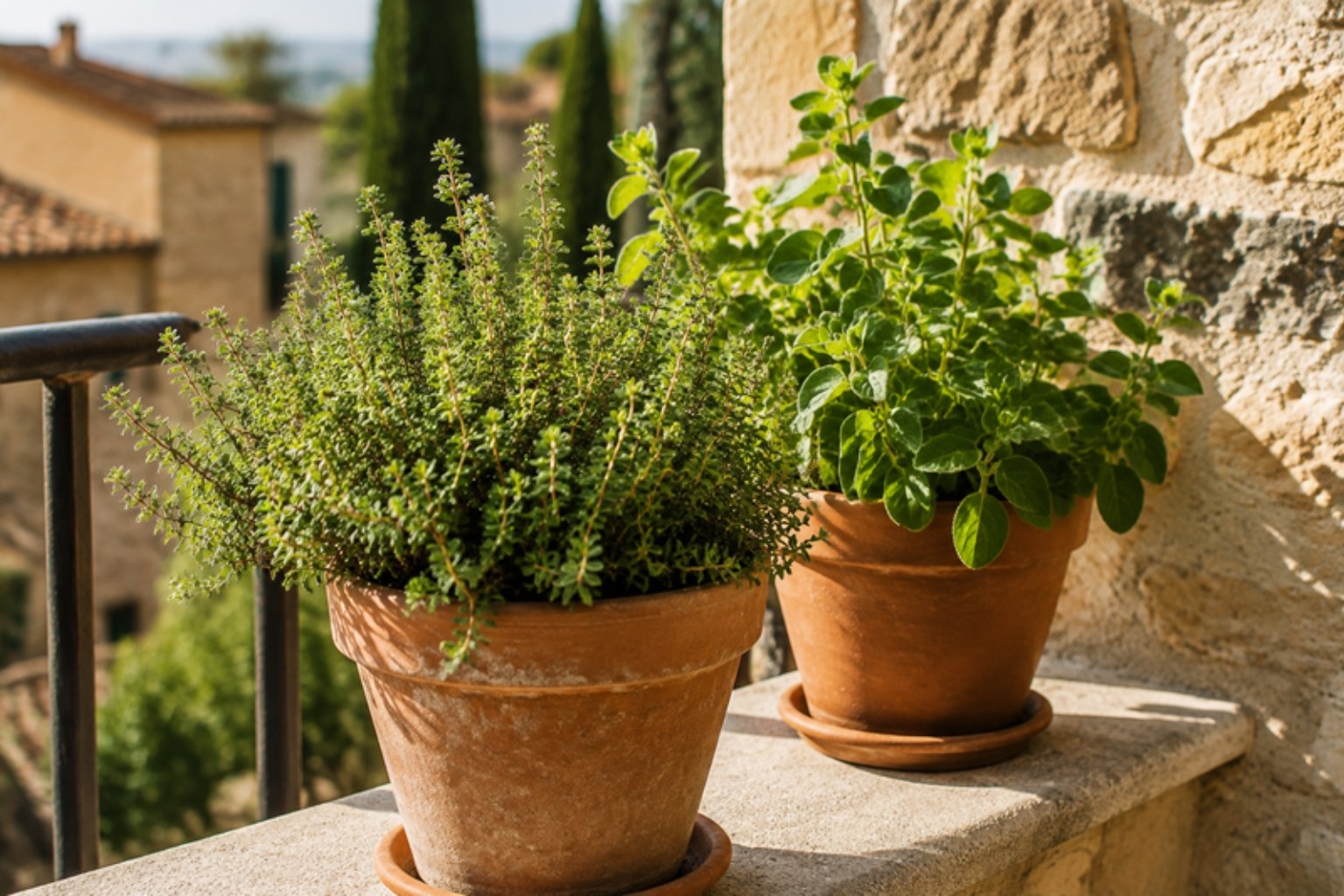

Thyme and oregano come from dry, stony Mediterranean hillsides. In a pot they need the opposite of most balcony plants: as much sun as possible, poor gritty compost and far less water than you think.
Kept that way, both are long-lived and almost care-free. Most potted thyme dies not from drought or cold, but from wet roots in winter.
Below: which varieties to choose, the right pot and compost, watering, harvesting and pruning, and how to bring both through a central European winter.
Grow thyme in pots in full sun, at least six hours a day, in a terracotta pot with drainage holes and compost mixed with a third of grit or sand. Water only when the compost is dry, feed little or not at all. Trim after flowering by a third, never into bare wood. Oregano needs the same, dies back in winter and regrows in spring. Protect pots from winter wet.
Which thyme and oregano should you grow?
- Common thyme (Thymus vulgaris): the kitchen classic, hardy and aromatic.
- Lemon thyme (Thymus × citriodorus): a lemon scent for fish and desserts, slightly less hardy.
- Oregano (Origanum vulgare): hardy perennial; Greek oregano (subsp. hirtum) has the strongest flavour.
- Marjoram (Origanum majorana): milder and sweeter, but frost-tender, so usually grown as an annual.
How much sun do thyme and oregano need?
As much as you can give them: at least six hours of direct sun a day, ideally on a south or west-facing balcony. In shade both grow leggy, flower poorly and lose much of their aroma, because the essential oils develop in strong light.
Heat is not a problem. A south balcony that is too hot for parsley or basil in July suits thyme very well.
What pot and compost are best?
A terracotta pot is ideal, because it breathes and the compost dries out between waterings. Drainage holes are essential, and a layer of gravel at the bottom helps.
Use herb or multipurpose compost mixed with about a third of grit, perlite or coarse sand. Rich, moisture-retentive compost gives soft growth and weak flavour. A pot 15 to 20 cm wide is enough for one thyme; oregano spreads and likes a wider pot.
How often should you water thyme in pots?
Only when the compost is dry a few centimetres down. In summer in full sun that may be every two to four days; in spring and autumn once a week or less. Water thoroughly, let it drain and never leave the pot standing in a saucer of water.
Feeding is rarely needed. A little slow-release organic fertiliser in spring is enough for a whole season. Too much nitrogen makes thyme and oregano lush but bland.

How do you harvest and prune thyme without killing it?
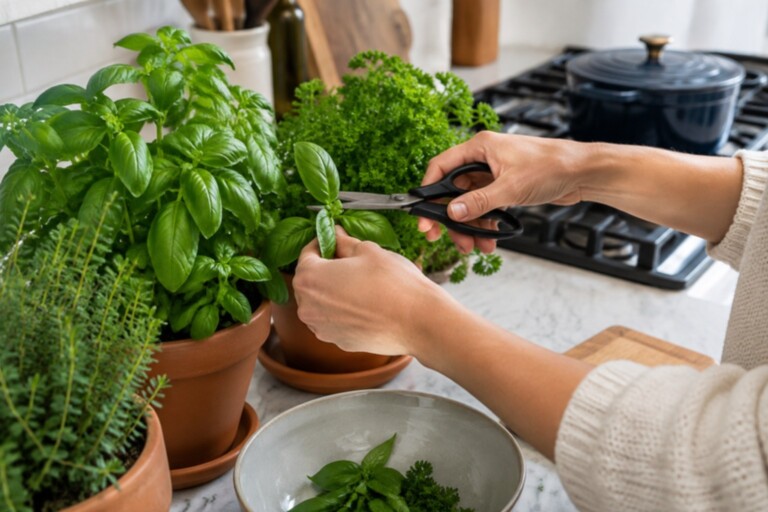
Pick sprigs throughout the season, always cutting soft green stems. The flavour is strongest just before flowering, which is the best time to cut larger amounts for drying.
After flowering, trim the whole plant by about a third to keep it compact. Never cut into old, bare, woody stems: thyme rarely regrows from bare wood. Even with good care, thyme becomes woody after three to four years and is best replaced with a cutting or a young plant.
Oregano is simpler. Cut it back to a few centimetres after flowering and it will regrow fresh leaves.
How do thyme and oregano survive winter in a pot?
Common thyme and oregano are hardy, but roots in a pot freeze more easily than in the ground. Wet is the bigger danger: cold, waterlogged compost rots the roots.
Move pots against a house wall under an overhang, stand them on wood or polystyrene, and water only on frost-free days when the compost is dry. Wrap pots in fleece or hessian in a hard frost. Lemon thyme and marjoram are safer in a cool, bright room at 5 to 10 °C. Oregano dies back to the ground and regrows in spring.
How do you propagate them?
Thyme roots well from 5 to 8 cm cuttings of soft shoots taken in late spring or early summer. Oregano is easiest to divide in spring: split the clump into two or three pieces and pot each one separately. Our article on propagating plants from cuttings covers the method in more detail.
Can thyme share a pot with other herbs?
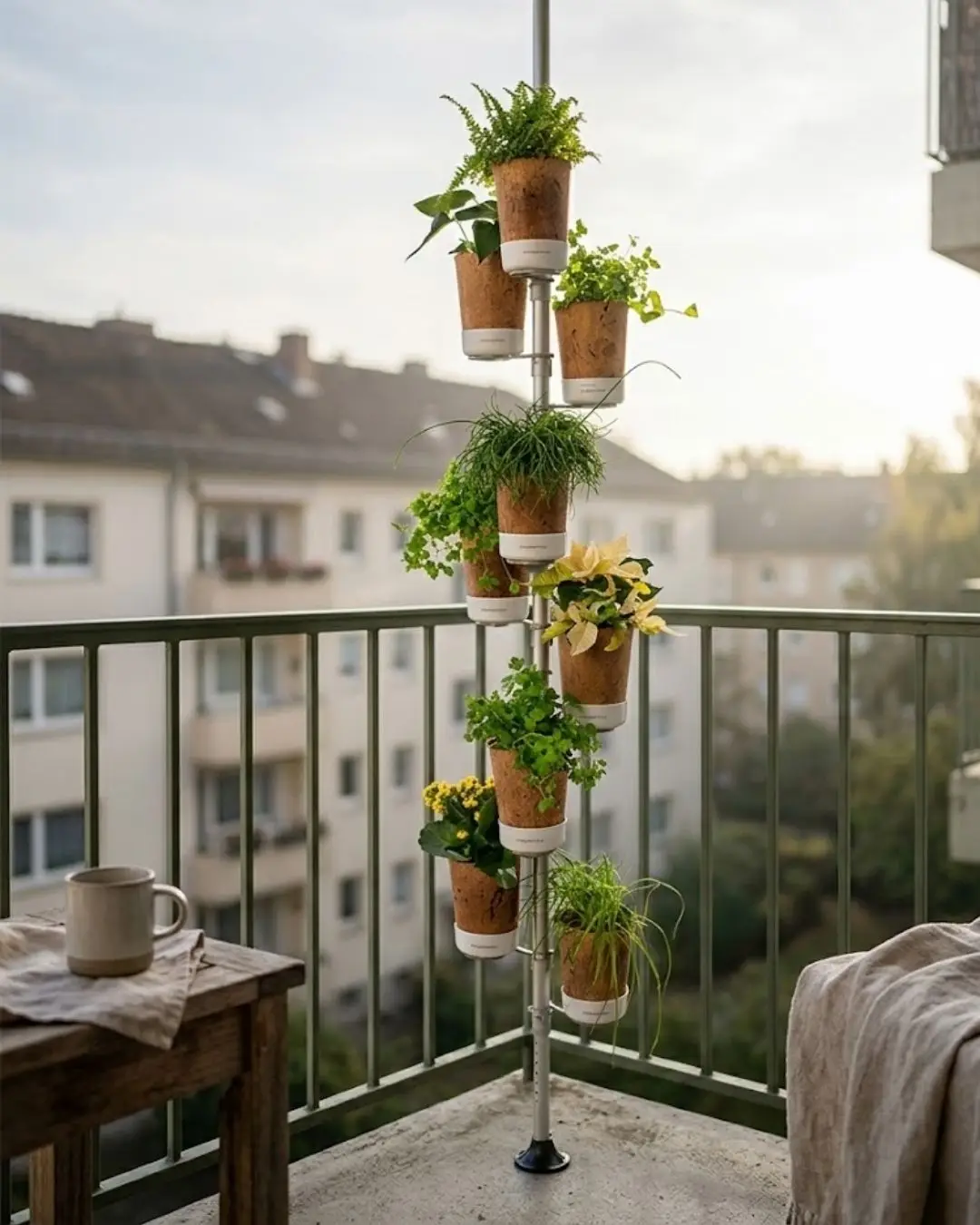
Thyme, oregano, sage and rosemary like the same dry conditions and can share a pot or a sunny spot. Keep parsley, basil, chives and mint separate; they need much more water. A vertical planter helps on a small balcony: the Urban Planty Vertical Garden holds nine pots on a telescopic pole between floor and ceiling, on less than one square metre, each with a 300 ml reservoir. It costs €149 with free shipping and needs no drilling. For thyme, fill its reservoir sparingly and put it at the top, where it gets the most sun. More about the vertical garden without drilling.
For more on combining herbs, see our balcony herb garden guide and rosemary in pots.
Frequently asked questions
How often should I water thyme in a pot?
Water thyme in a pot only when the compost is dry a few centimetres down, usually every two to four days in summer sun and once a week or less in spring and autumn. Never leave it standing in water.
Why is my potted thyme dying?
Potted thyme usually dies from wet roots: too much water, rich compost or no drainage. Too little sun and cutting into old woody stems are the other common causes.
Can thyme stay outside in winter?
Common thyme can stay outside in winter in a pot if it is sheltered from rain, raised off the cold floor and protected in hard frost. Lemon thyme is safer in a cool, bright room.
When should oregano be cut back?
Cut oregano back to a few centimetres after flowering in summer. It regrows fresh leaves, dies back in winter and sprouts again in spring.